Services
BSI Zone Chiropractic
The Seven Autonomic Zones: How Our Body Responds to Stress. When faced with danger, our body triggers the “fight-or-flight” response, a powerful reaction controlled by the sympathetic nervous system. This response activates seven key organ and gland pairings, known as zones, linked through the autonomic nervous system and spinal column. Together, these zones coordinate rapid physiological changes like increasing heart rate, boosting energy supply, sharpening alertness, and redirecting blood flow to essential muscles.
Each zone involves specific organs and glands working in harmony to prepare the body to react—whether to confront or escape a threat. However, when stress becomes chronic—whether emotional, physical, or chemical—it can disrupt one or more zones. This imbalance prolongs the fight-or-flight state, which may lead to health problems such as fatigue, digestive issues, high blood pressure, headaches, back pain, or even weakened immunity.
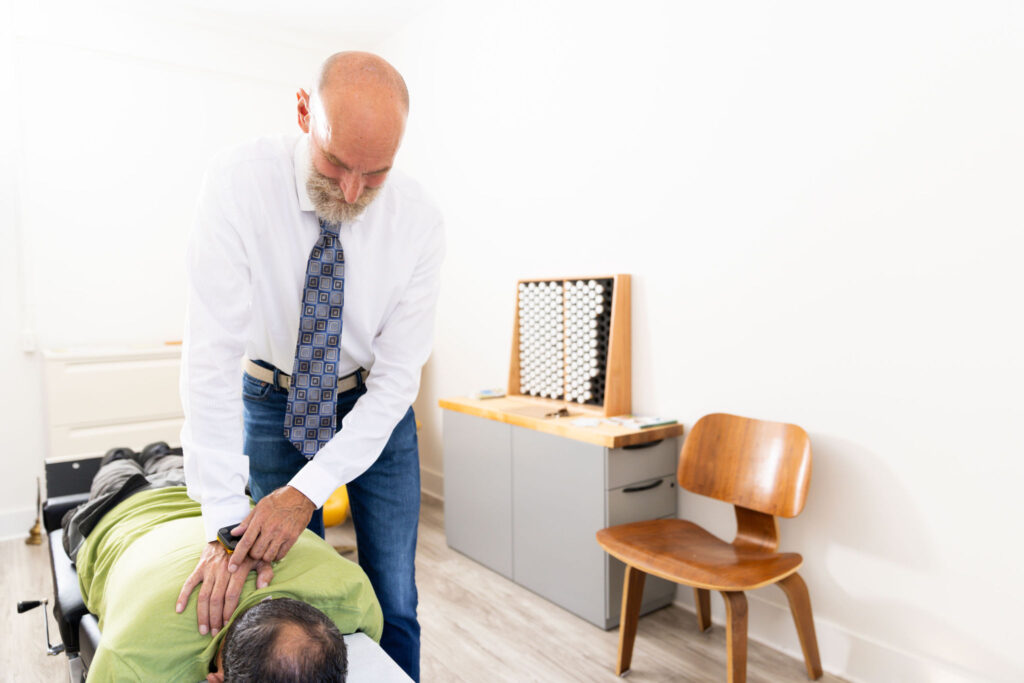
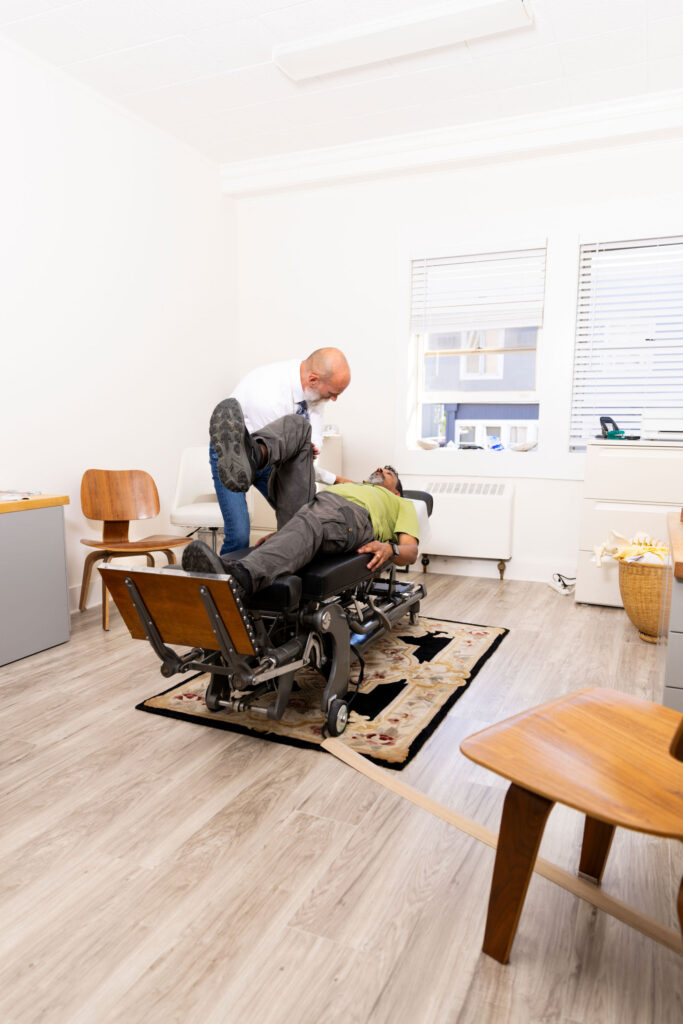
A thorough chiropractic assessment begins with BSI Zone muscle testing, a specialized analysis that pinpoints which chiropractic adjustments are needed to correct dysfunction in the specific zones of the autonomic nervous system. This step ensures targeted care aimed at restoring balance and proper nerve function.
Understanding these zones helps highlight the importance of receiving Chiropractic care for managing stress effectively to maintain a balanced and healthy nervous system.
Understanding Clinical Kinesiology
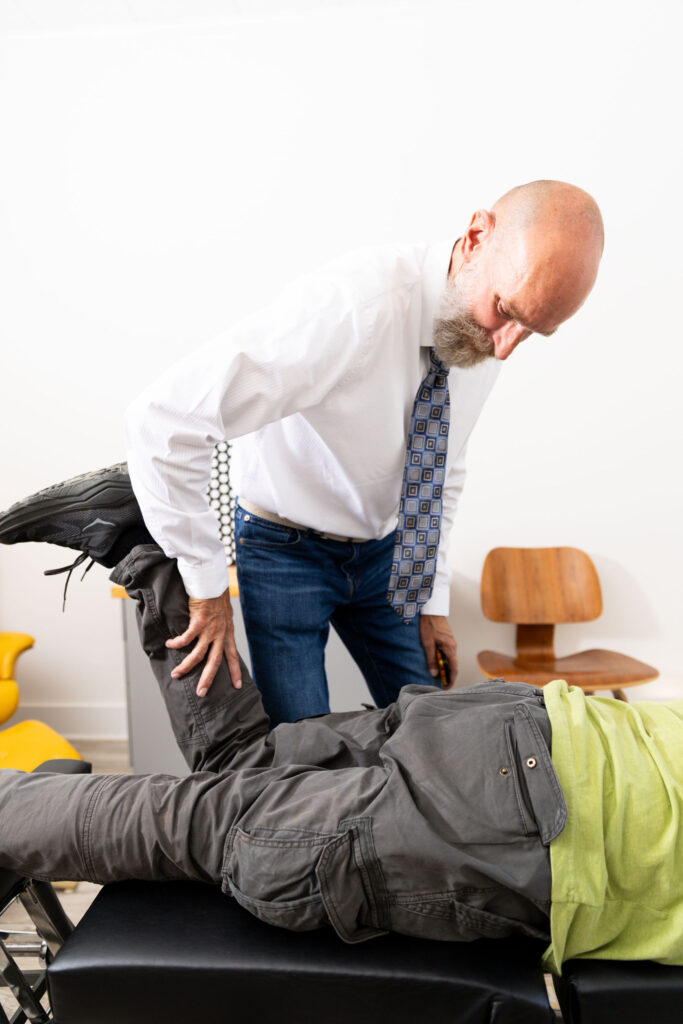
- Assessment: Practitioners perform precise neurological tests on specific muscles to determine which ones are weak or “shut down.”
- Identifying the Cause: They then look for the underlying reasons behind muscle inhibition, which could range from injury to nutritional deficiencies.
- Reactivation: Through targeted stimulation of reflex and nerve points, practitioners reactivate these inhibited muscles, restoring their function.
- Restoration: Once reactivated, muscles regain strength and coordination, leading to improved movement, less pain, and faster healing.
- Injury Prevention: By detecting muscular imbalances early, clinical kinesiology helps predict and prevent potential injuries.
Kinesiology Tape: Uses and Benefits
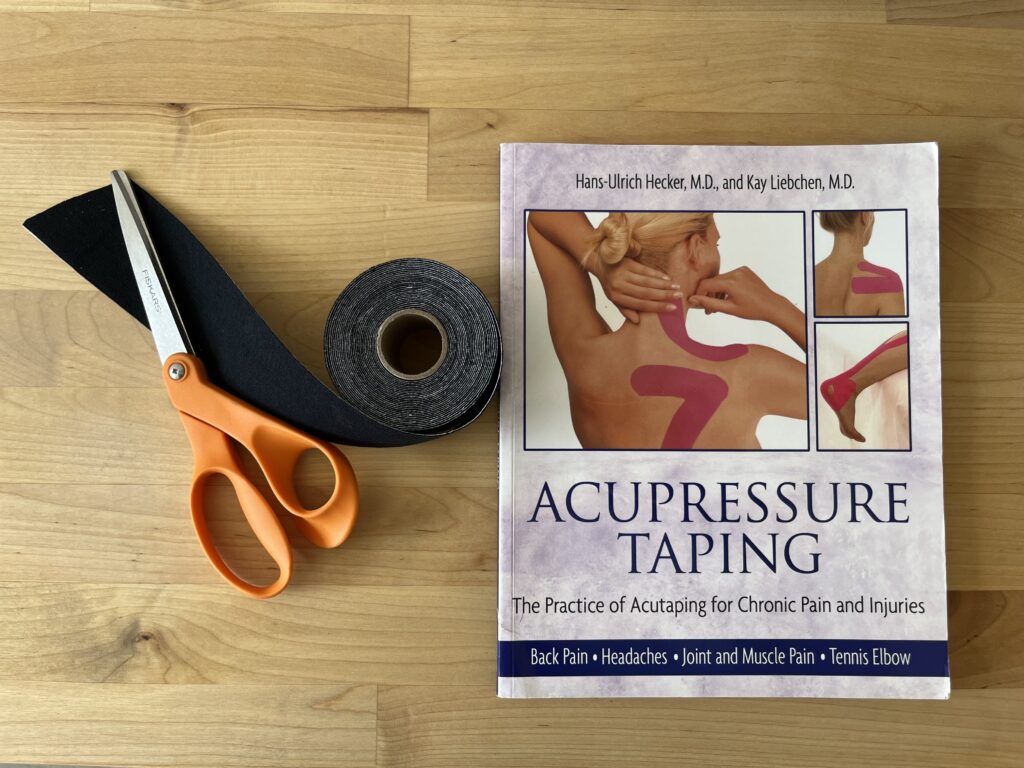
Kinesiology tape is a flexible, elastic tape designed to mimic the natural stretch of human muscles. It moves with your body and offers support to muscles and joints without restricting motion. Its main uses include reducing pain, swelling, and inflammation, making it a popular choice for injury recovery.
Besides easing discomfort, kinesiology tape helps improve blood and lymphatic circulation. This boost in circulation speeds up the healing process. It’s also widely used for injury prevention, managing scars, and enhancing athletic performance.
Thanks to its unique stretch and breathable material, kinesiology tape is comfortable to wear during daily activities or sports. Whether you’re recovering from an injury or looking to prevent one, this tape offers a simple yet effective way to support your body’s natural healing and performance.
Understanding Cold Laser Treatment
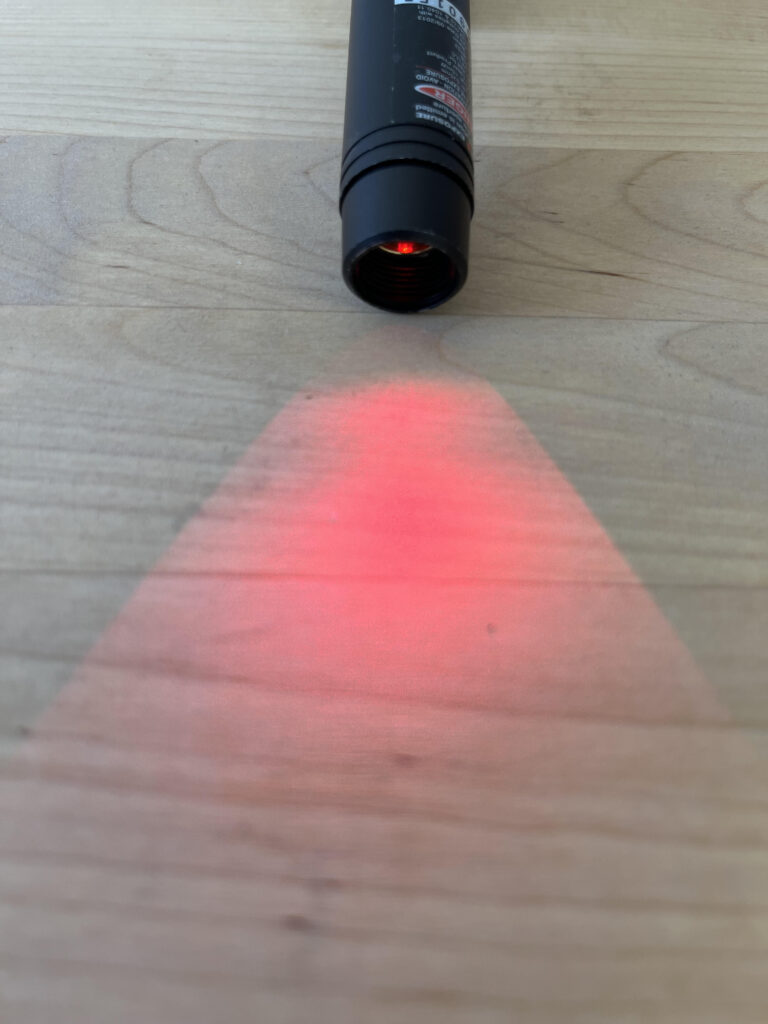
Cold laser treatment, also called low-level laser therapy (LLLT), is a gentle, non-invasive way to support healing and ease pain. Unlike surgical lasers that cut or burn tissue, cold lasers use low-intensity light to stimulate cells.
How It Works
The therapy involves shining near-infrared light deep into the skin. This light is absorbed by the cells, which then trigger a series of natural healing responses. These responses increase blood flow, reduce swelling, and encourage tissue repair, helping the body recover faster.
Benefits of Cold Laser Therapy
- Effective pain relief for arthritis, muscle strains, and soft tissue injuries
- Speeds up healing after surgery or trauma
- Reduces inflammation
- Promotes faster wound healing and tissue regeneration
Safe, painless, and easy to apply, cold laser therapy is becoming a popular choice for those looking to boost recovery and manage pain without medication.
Understanding Instrument-Assisted Myofascial Release (IASTM)
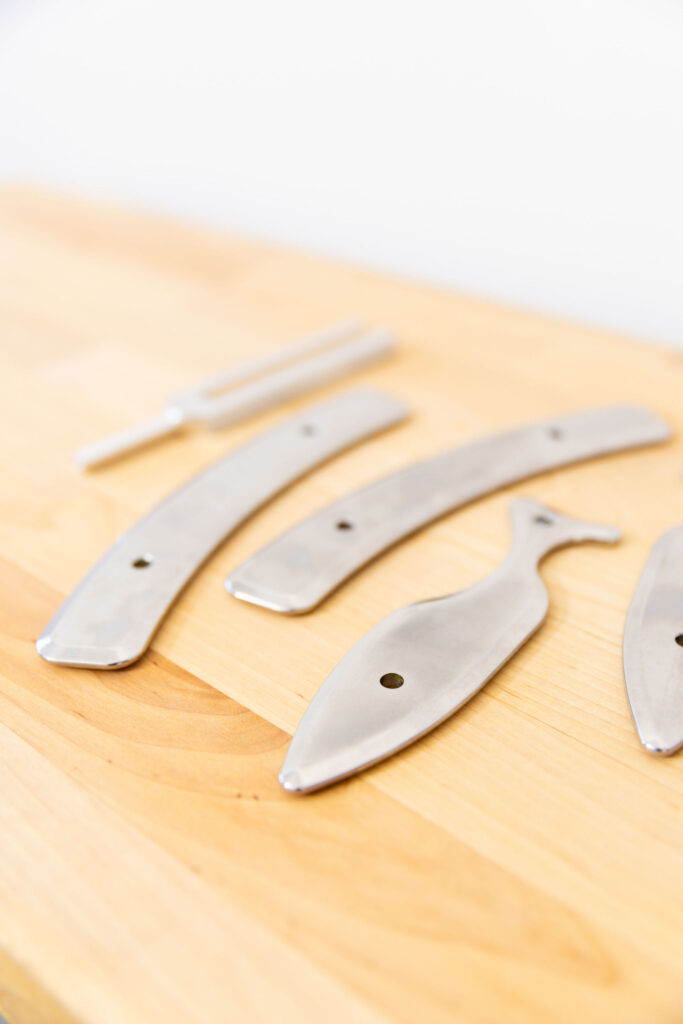
Instrument Assisted Myofascial Release, also known as Instrument Assisted Soft Tissue Mobilization (IASTM), is a specialized therapy that uses unique tools to detect and treat scar tissue, fascial restrictions, and adhesions in the soft tissues. By applying controlled pressure with these instruments, therapists break down problematic tissue, which helps improve flexibility, range of motion, and overall function while reducing pain and promoting healing.
How IASTM Works
- Detection: The instruments help therapists feel for abnormal tissue textures that indicate adhesions or scar tissue.
- Treatment: By gently pressing and moving the tools over the affected areas, controlled microtrauma stimulates the body’s healing response.
- Healing: Increased blood flow and new cell activity help remodel and realign tissue, restoring proper movement.
Benefits and Uses
IASTM is effective for treating sports injuries, post-surgical scar tissue, tendinopathies like tennis elbow, plantar fasciitis, carpal tunnel syndrome, and chronic pain conditions. Benefits include faster recovery, reduced pain, improved mobility, and often shorter rehabilitation times. When combined with stretching and strengthening exercises, IASTM offers a holistic approach to restoring soft tissue health and function.
Understanding Neuro Emotional Technique (NET)
Chiropractic Care and Mental Health
Neuro Emotional Technique (NET) is a unique approach originally developed to find and correct physical issues linked to emotional or stress-related components. Interestingly, patients often notice improvements not only in physical symptoms but also feel less stressed and emotionally balanced. Unlike traditional talk therapy, NET focuses on the physiological side of emotional responses, recognizing that emotions trigger complex bodily changes, including shifts in muscle tone, nerve chemistry, and circulation.
NET does not treat emotions directly; rather, it addresses physical disruptions in the body—primarily spinal subluxations or meridian imbalances—that connect with emotional patterns, forming what is called a Neuro Emotional Complex (NEC). An NEC is the body’s conditioned response to perceived threats, involving specific muscles, emotions, and memories.
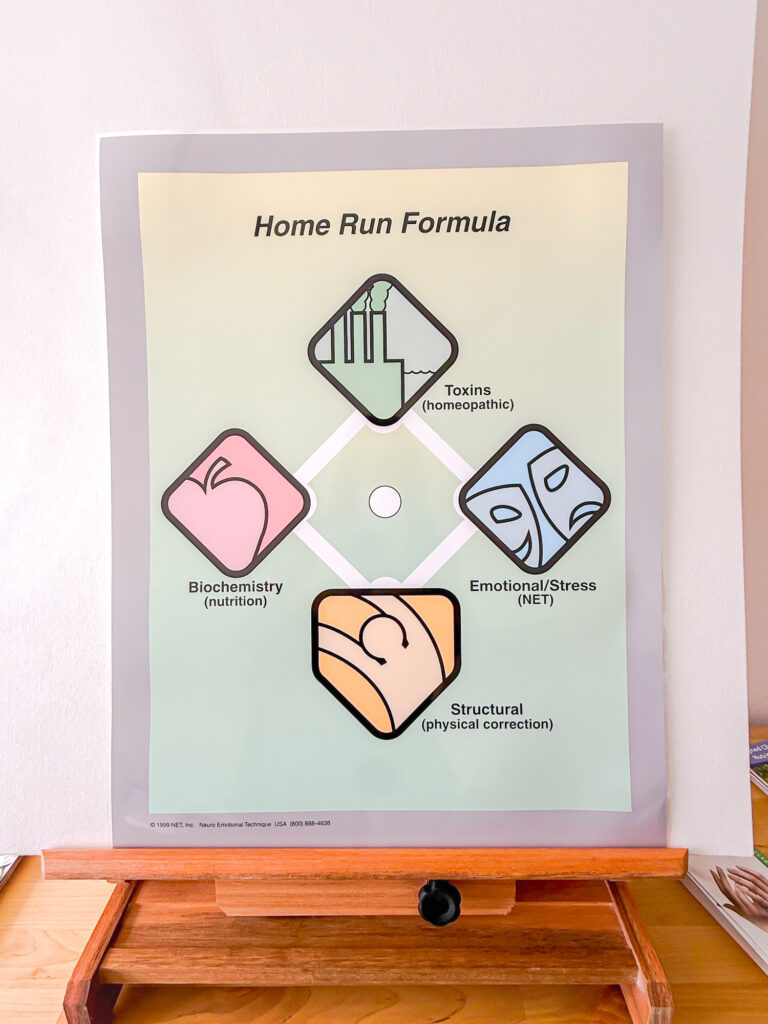
The Neuro Emotional Technique (NET) “Home Run Formula”
The Neuro Emotional Technique (NET) “Home Run Formula” is a practical model used by health practitioners to identify and address four key factors that often contribute to health imbalances. This approach recognizes that health challenges rarely stem from just one cause but usually from a combination of elements working together.
The Four Bases of Health
- 1st Base – Emotional/Stress: Unresolved emotional stress or past trauma can trigger physical reactions in the body, affecting overall well-being.
- 2nd Base – Toxins: Harmful substances, whether from the environment or internal sources, may accumulate and disrupt the body’s balance.
- 3rd Base – Nutrition: Deficiencies or imbalances in essential nutrients can impact the body’s chemistry, which can often be improved with proper diet and supplements.
- 4th Base – Structural: Physical issues like misaligned joints or poor posture can interfere with the body’s structural integrity and function.
By systematically assessing these areas, the NET “Home Run Formula” helps practitioners create targeted treatment plans that support the body’s natural healing, promoting better health and resilience.